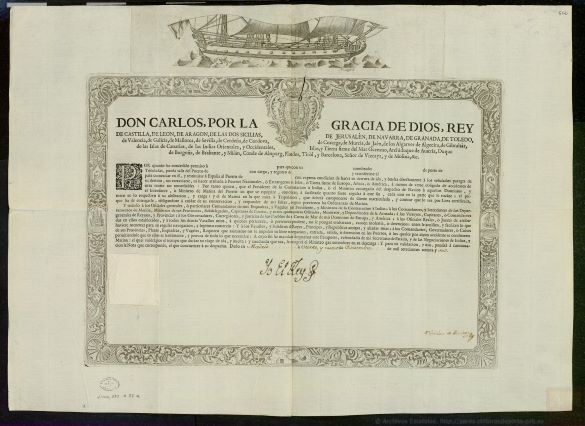
Privateering patent granted by Charles III, which is part of a set of several patents he granted around 1771. The upper part shows the side view of a ship which, together with the border headed by the Royal Arms, serves as ornamentation for these patents. The patent was engraved by Hipólito Recarte.

Uncategorized
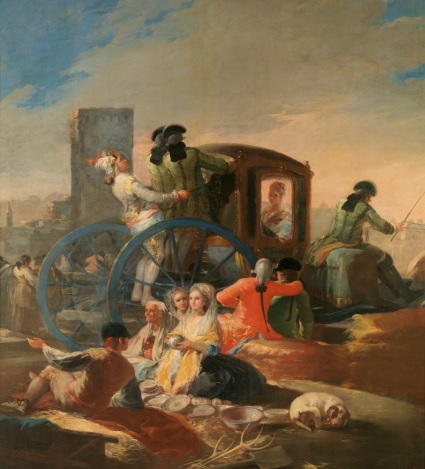
Goya portrayed this scene in which the potter was a character dedicated to selling everyday objects as merchandise during the 18th century
Portrait by P. Pedemonte of Cardinal D. Luis Belluga and Moncada (1662-1743)
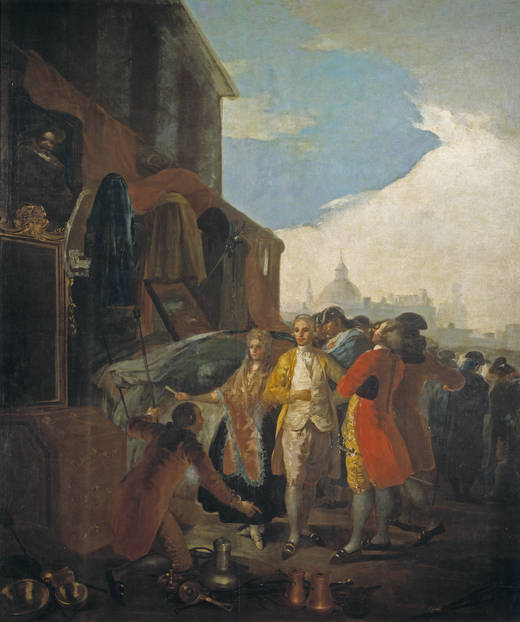
A festive scene in 18th-century Madrid featuring a group of majos painted by Goya
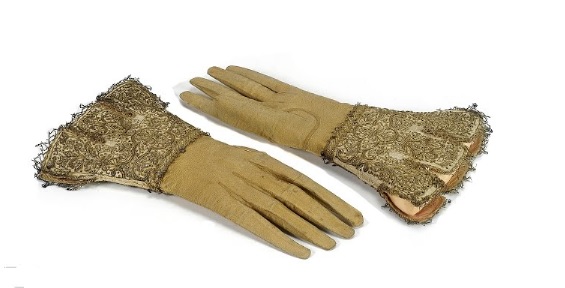
A typical 17th century piece of clothing used as a gift between Courts for which amber or herbs were used to perfume them
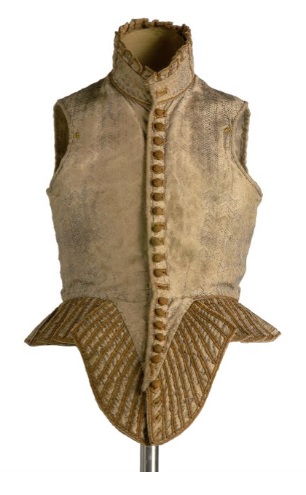
Piece of historical costume from the 17th century
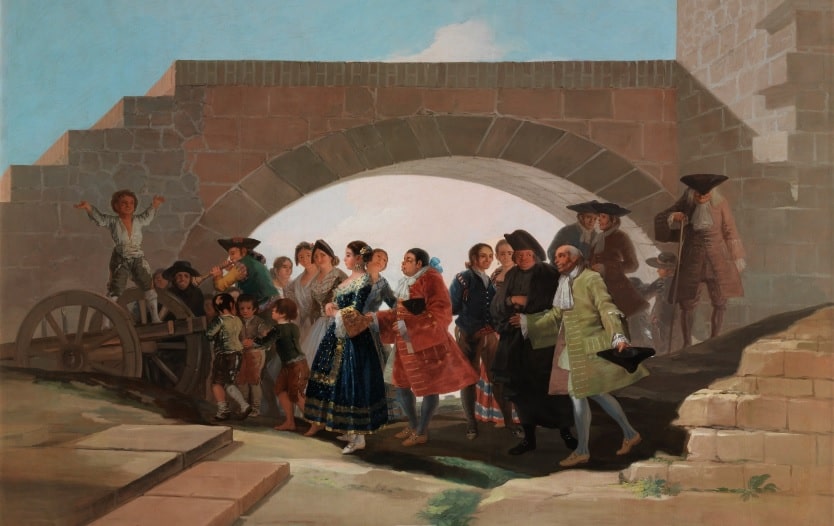
Representation of social reality in a couple’s early marital scenes
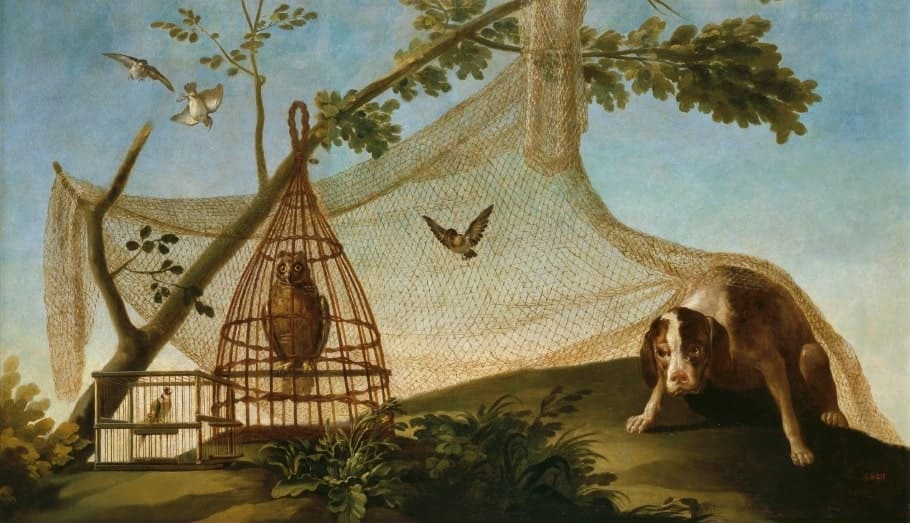
Representation of hunting techniques in the 18th century
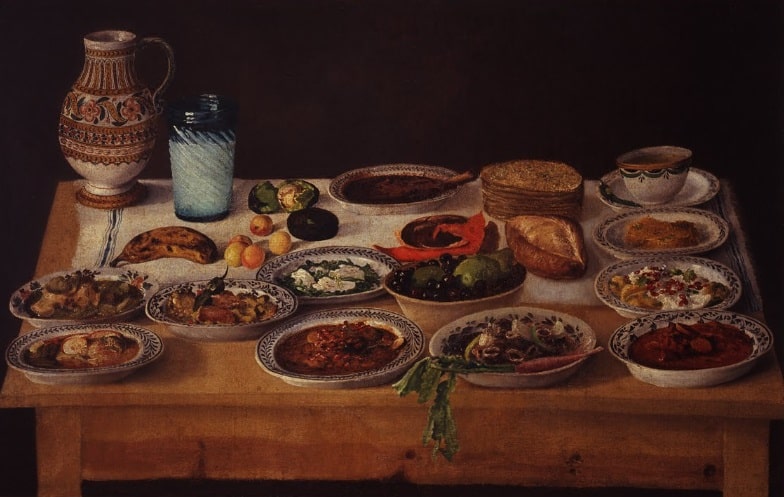
Representation of Hispanic culinary costumbrismo through visions of Mesoamerican cuisine
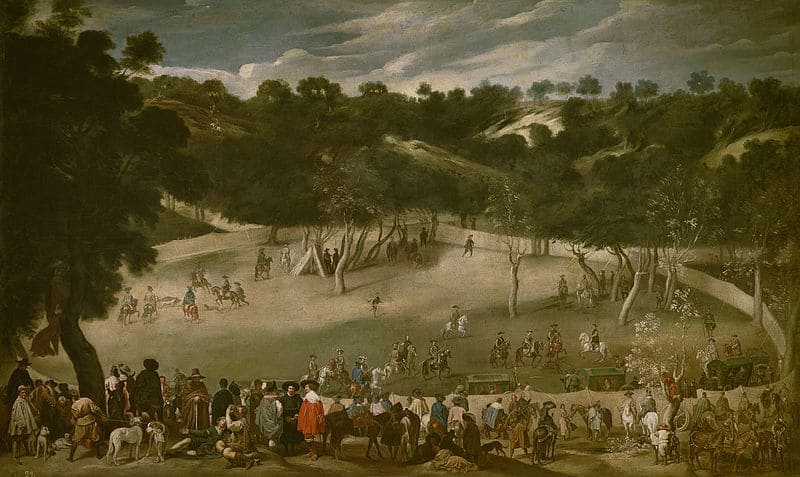
A recreational hunting scene at the Court, immortalised by Velázquez’s brush
Page 104 of 163