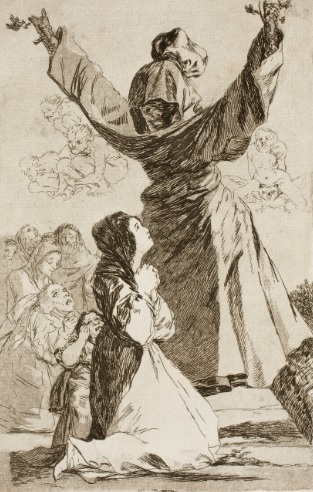
Engraving by Goya alluding to the social importance of tailors that went unnoticed

Uncategorized
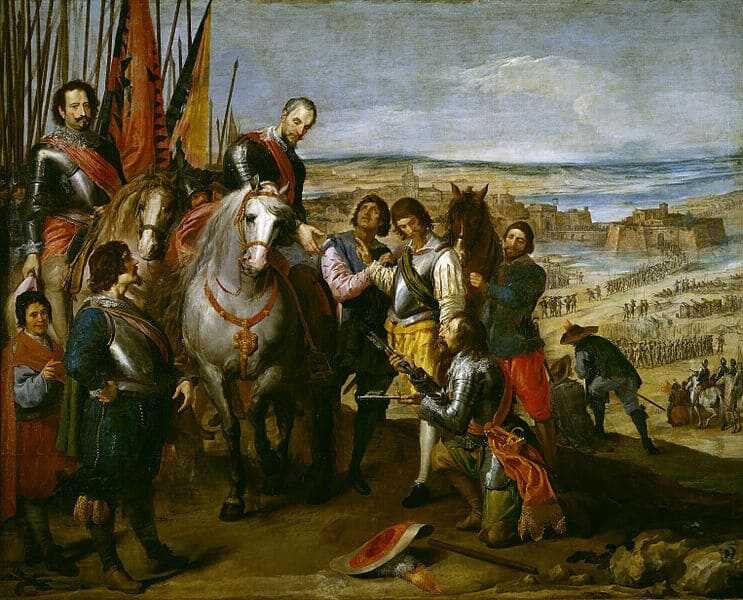
Representation of the Surrender of Juliers, a work that forms part, along with others, of the commemoration of a series of land and naval victories that were won by the armies of the Hispanic Monarchy during the first period of the Thirty Years’ War. These canvases were destined for the Salón de Reinos of the Buen Retiro Palace.
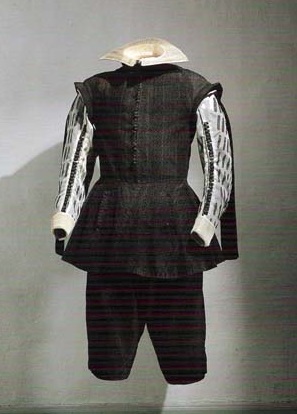
The only preserved Spanish costume in the world that reflects the way of dressing and the canon of Spanish fashion in the 17th century
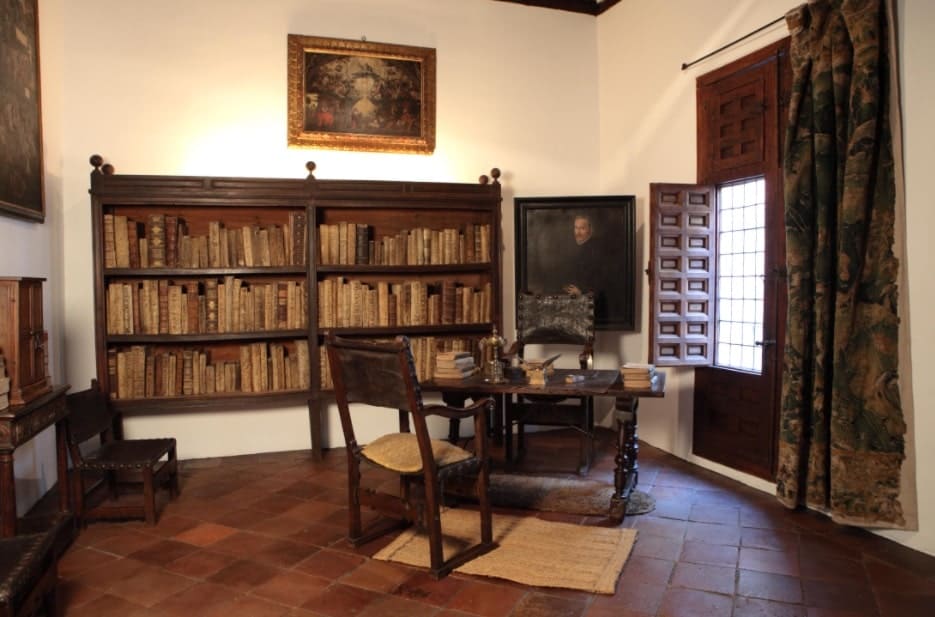
Image of Lope de Vega’s office in his house in Calle Cervantes in Madrid during the 17th century
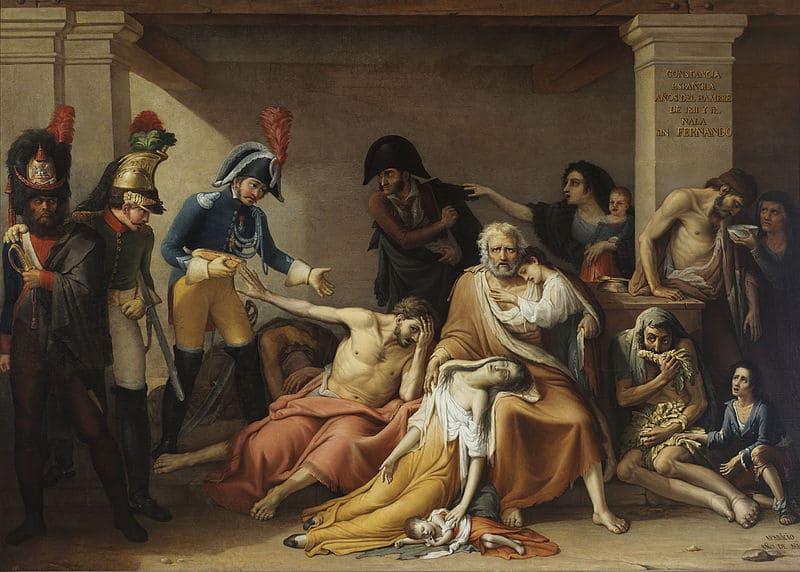
Scene alluding to the year of the famine in Madrid during the reign of Ferdinand VII
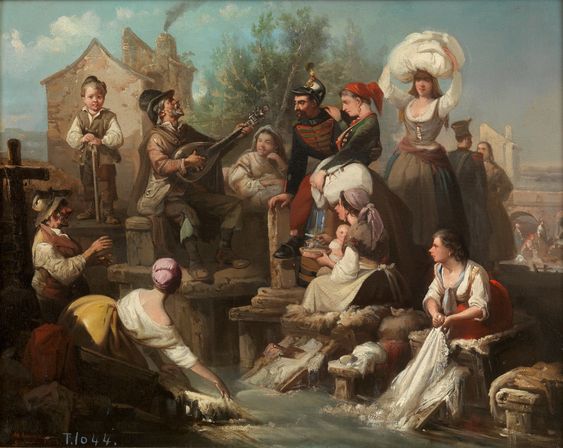
Popular scene around a musician surrounded by washerwomen on the Manzanares river in Madrid
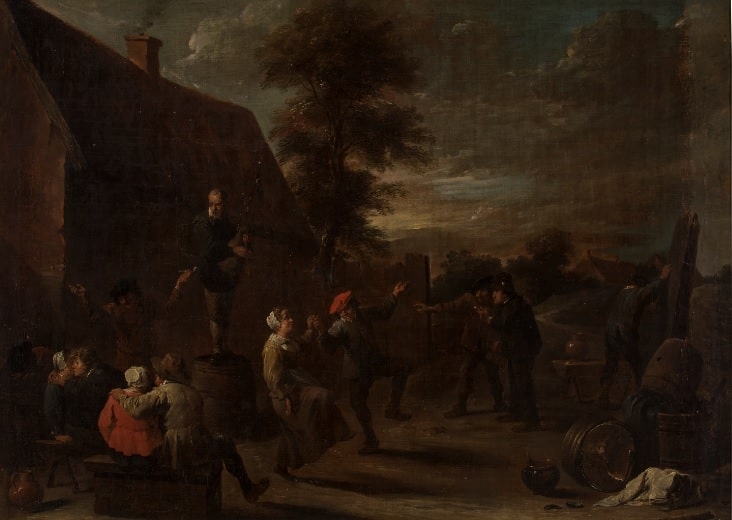
Villagers dancing with pipers in 17th century Europe (copy by Teniers)
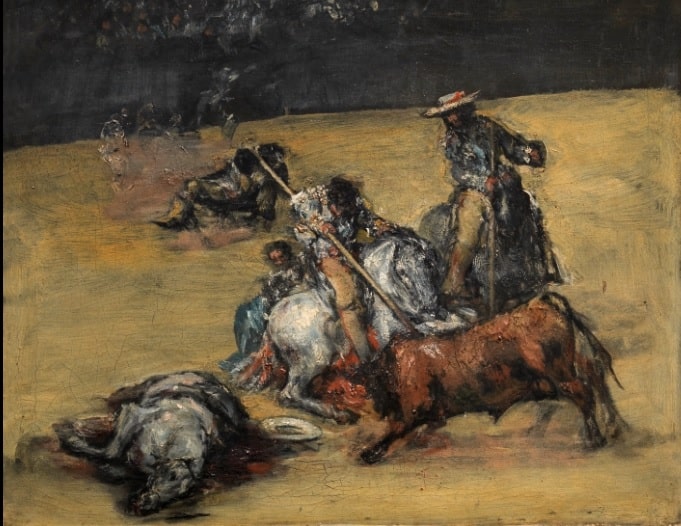
Scene of a bullfight in 19th century Spain
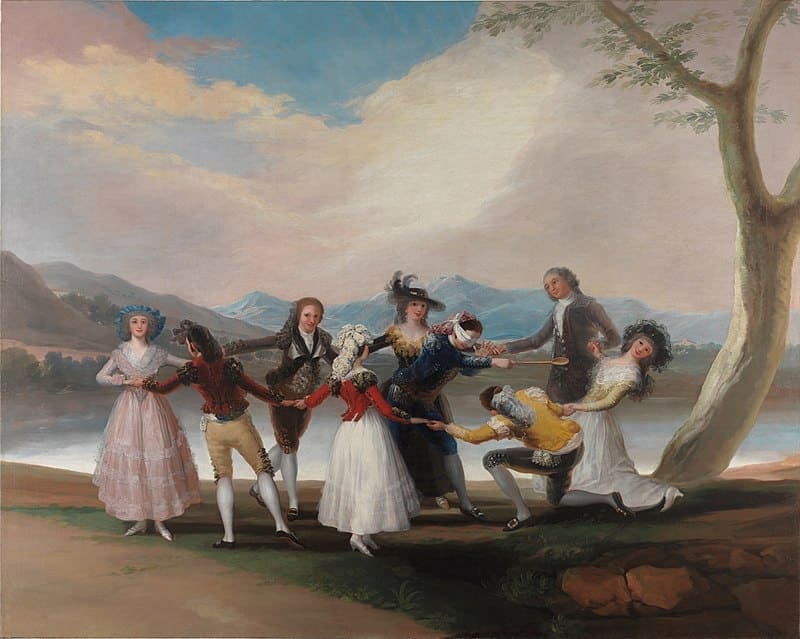
The work recreates the popular game of the little blind hen depicted by Goya in one of his most famous compositions
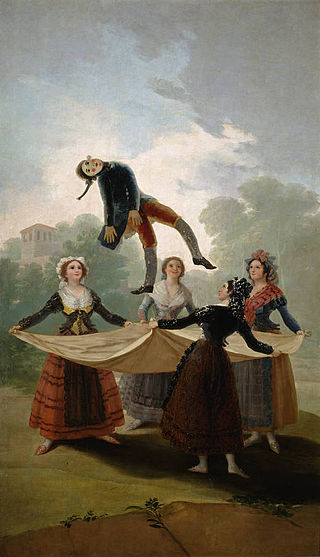
In one of his most emblematic works, Goya depicts four young girls holding a romper suit
Page 93 of 163