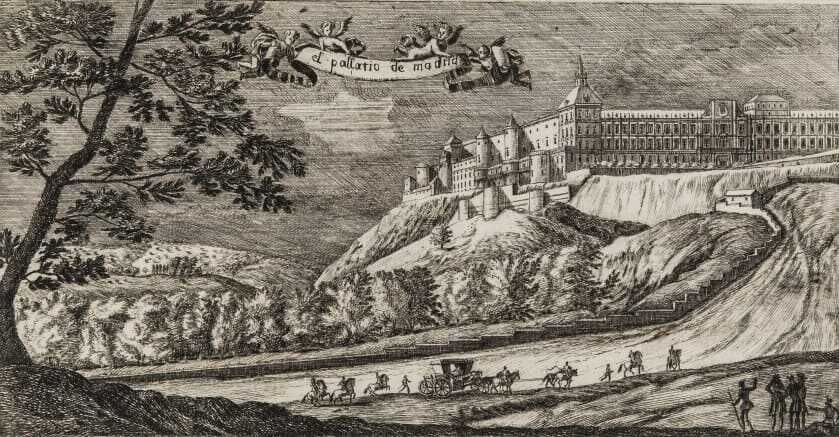
View of the Buen Retiro Palace, which was ordered to be built around 1634, among other reasons, as a venue for the new courtly pomp and circumstance favoured by the Count-Duke of Olivares.
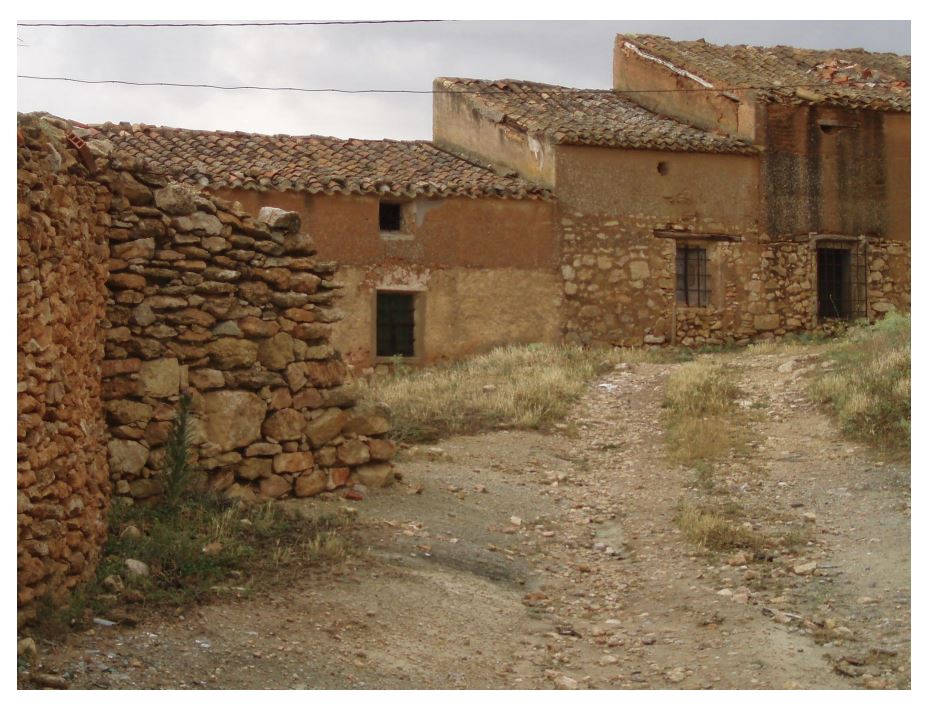
Popular architecture. Photograph of a masonry staircase used to access a chamber in a perched house, located in Encina Hermosa, near Lezuza (Albacete)
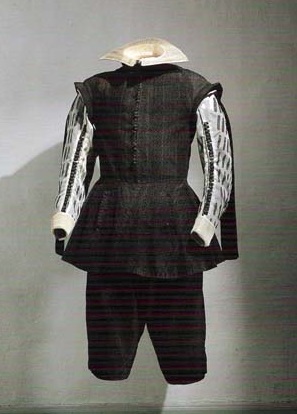
Customs and daily life at the Court of Charles III
A work by Velázquez depicting the family of Philip IV, which has become one of the most famous canvases in the history of art.
Van Loo depicted the family of Philip V, the new dynasty in 18th century Spain, in this huge canvas
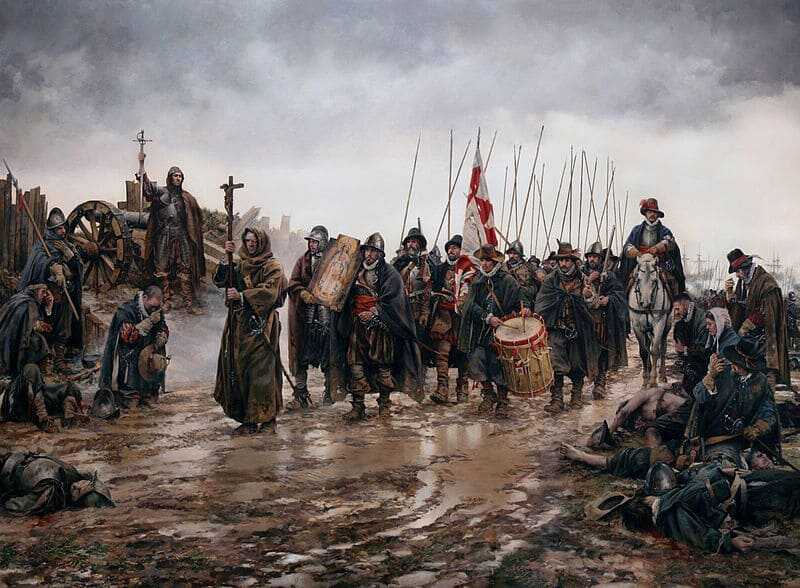
Representation of the relief of Constanza Square, which forms part of the Military History and the Thirty Years’ War waged by the Spanish Monarchy, whose victories were commemorated on various canvases in the Salón de Reinos of the Buen Retiro Palace
Representation of the defence of Cadiz against the English, which forms part of the Military History and the Thirty Years’ War waged by the Spanish Monarchy, whose victories were commemorated on various canvases in the Salón de Reinos of the Buen Retiro Palace
Representation of the recovery of Bahía de Todos los Santos, a work that forms part, along with others, of the commemoration of a series of land and naval victories that smiled on the armies of the Hispanic Monarchy during the first period of the Thirty Years’ War (1621-30). These canvases were intended for the Salón de Reinos at the Buen Retiro Palace.
Representation of the Surrender of Breda, a work that forms part, along with others, of the commemoration of a series of land and naval victories that were won by the armies of the Hispanic Monarchy during the first period of the Thirty Years’ War (1621-30). These canvases were intended for the Salón de Reinos at the Buen Retiro Palace.
Representation of the Relief of Brisach, a work that forms part, along with others, of the commemoration of a series of land and naval victories that were won by the armies of the Hispanic Monarchy during the first period of the Thirty Years’ War. These canvases were destined for the Salón de Reinos of the Buen Retiro Palace