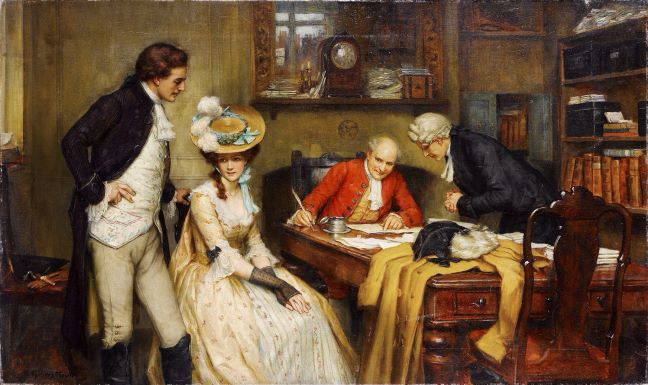
Everyday life. The image shows a painting depicting the formalisation of a woman’s dowry contribution. The work, entitled “The Bride’s Dowry”, is by José Gallegos y Arnosa.

4. Family, daily life and social inequality in Europe.
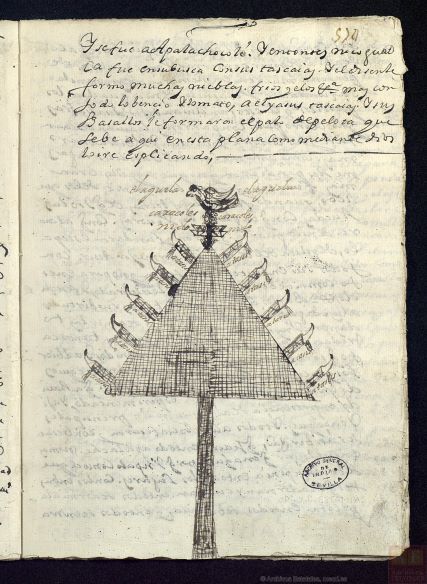
Everyday life. Religious celebrations. Ball game that the Apalachinos and vstacanos Indians have been playing since their infidelity until the year 1676.
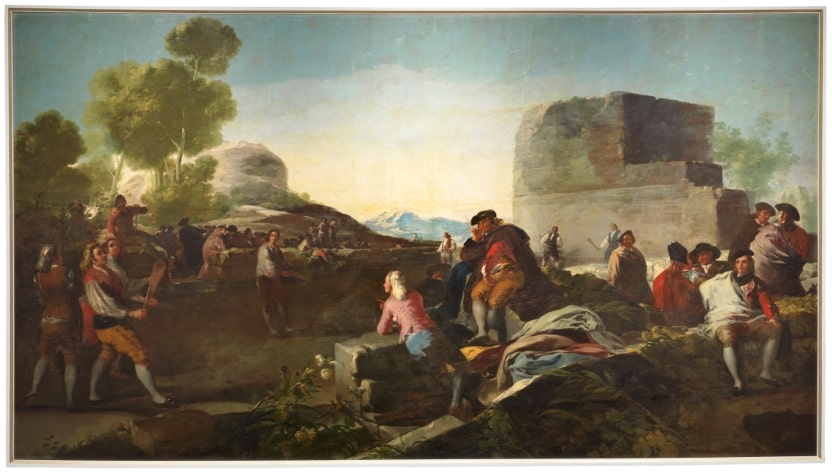
Historical amusement with a ball, possibly the predecessor of another game
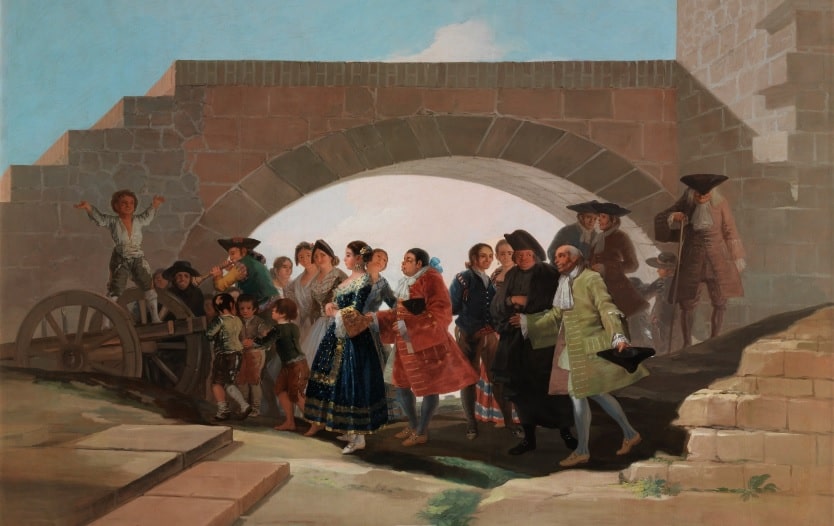
Representation of social reality in a couple’s early marital scenes
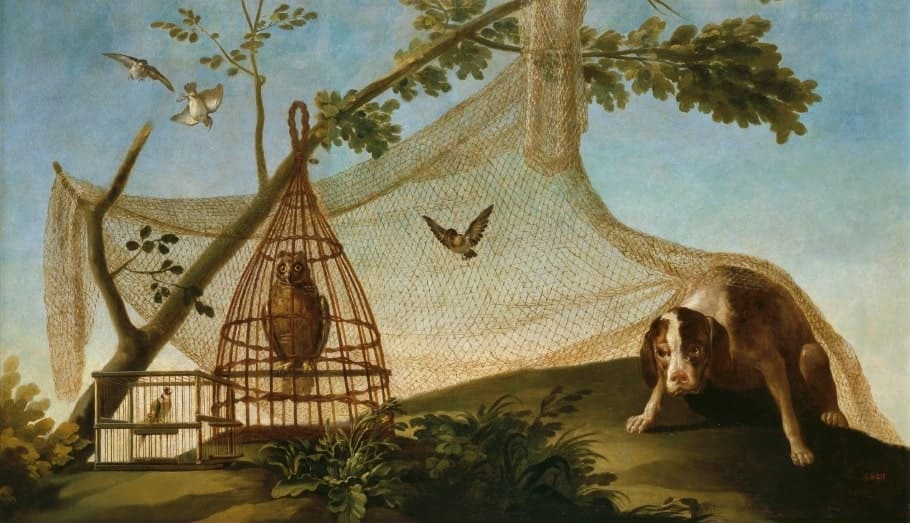
Representation of hunting techniques in the 18th century
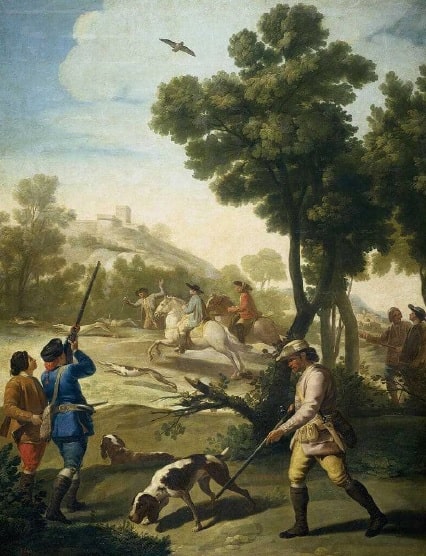
Hunting scene painted by Goya as an example of the social reality of the 18th century
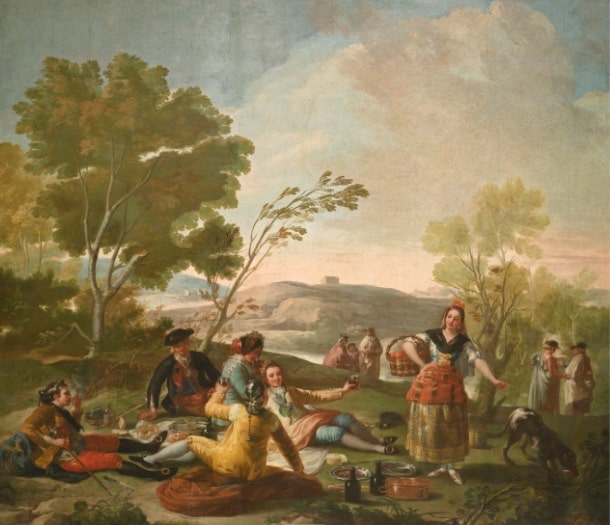
Representation of social recreation reflected through the majos painted by Goya
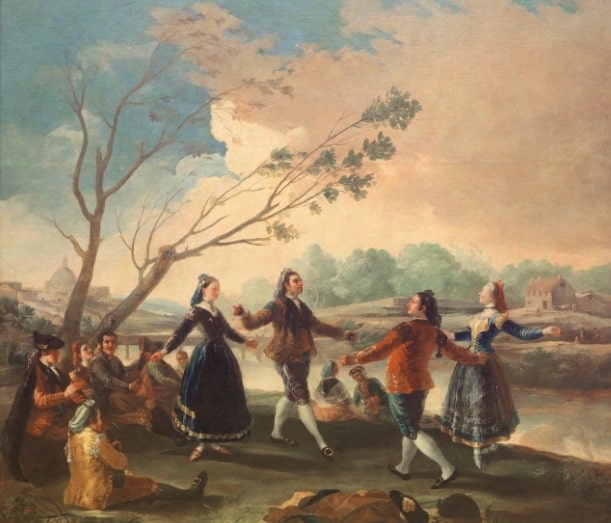
Goya’s playful depiction of 18th century society
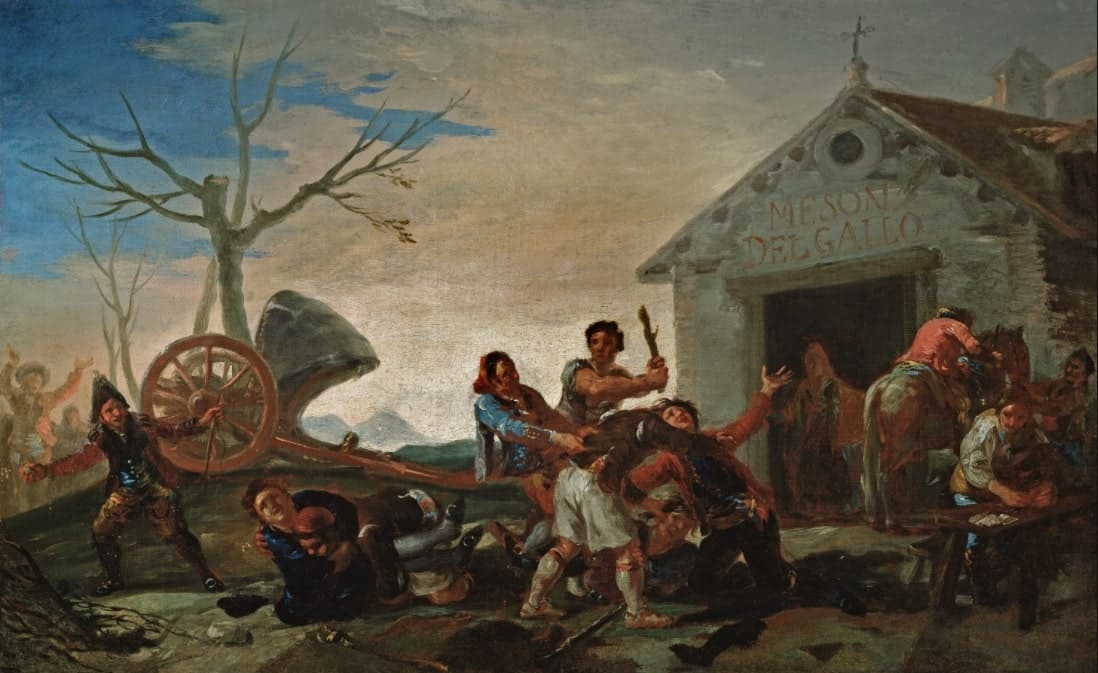
Representation of social reality through the recreation of an episode of conflict between muleteers and rickshaw pullers
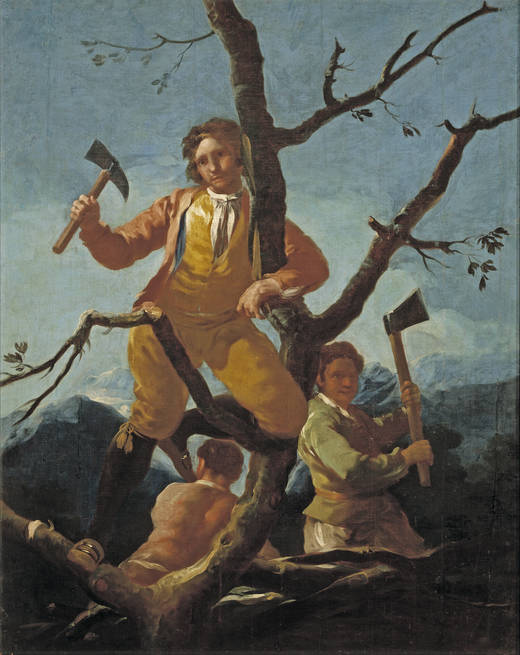
Daily scene of three people chopping firewood, portrayed by Goya
Page 33 of 59