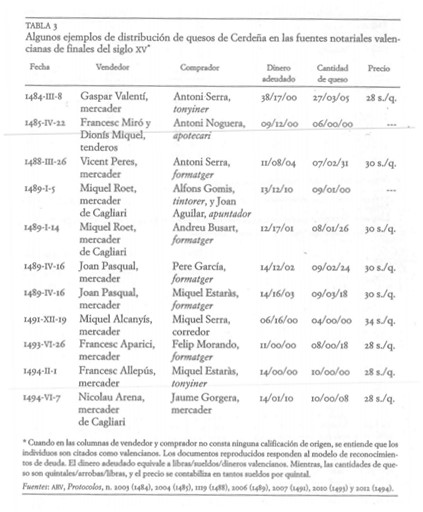
International trade and imports of Sardinian cheese as a reflection of the trade networks of the Kingdom of Valencia

4. Family, daily life and social inequality in Europe.
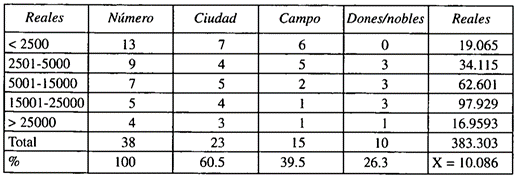
Family models in urban and rural areas in the Kingdom of Valencia, highlighting the importance of the nuclear model
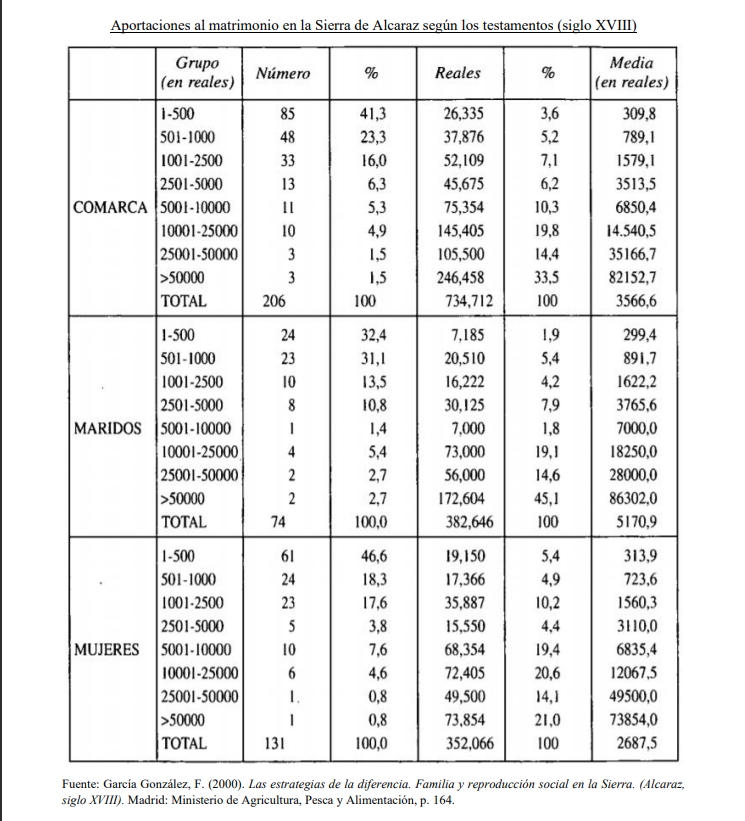
Transmission of patrimony in the form of matrimonial dowry in the Sierra de Alcaraz as a form of social reproduction
Household structure linked to the domestic aggregates according to the professions carried out by the heads of household. Process of inversion in the structures throughout the 18th century.
Transmission of wealth via wills reflecting parental affinities and social clientelism. A distinction is also made between inherited property according to sex.
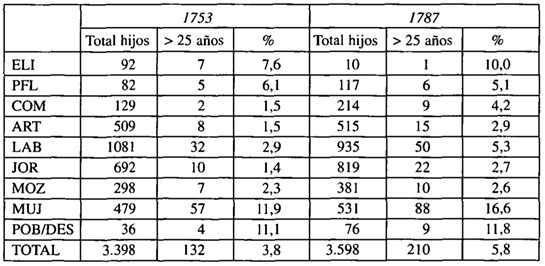
Children who remained living in the family nucleus and performed differentiated tasks based on the sex of the siblings and the profession of the head of the household
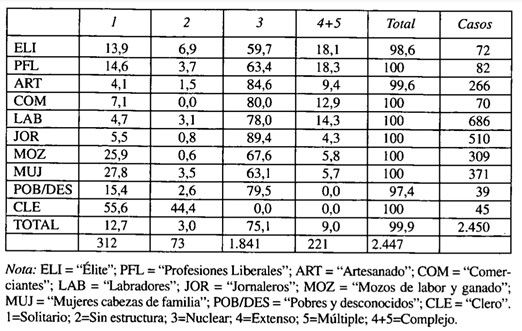
Household structure according to the activities carried out by the head of the household. Occupation determined the composition of the family.
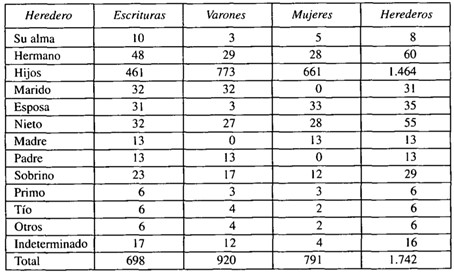
The transmission of wealth through inheritance according to kinship and sentimental affinities. The Castilian model of egalitarian inheritance prevailed, and the most common heirs were the first-born.
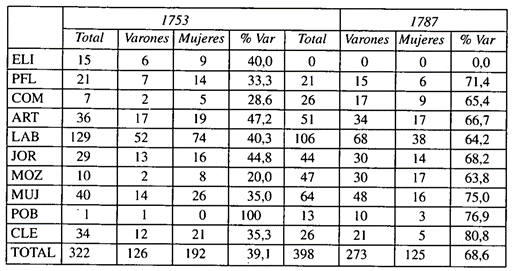
Women heads of household in Spain and the family model they had, highlighting the nuclear family above the rest
Family aggregates over 50 years old within the family nucleus, highlighting the importance of women as cohabitants: mothers and mothers-in-law led the profiles that were most dependent on the household.
Page 55 of 59