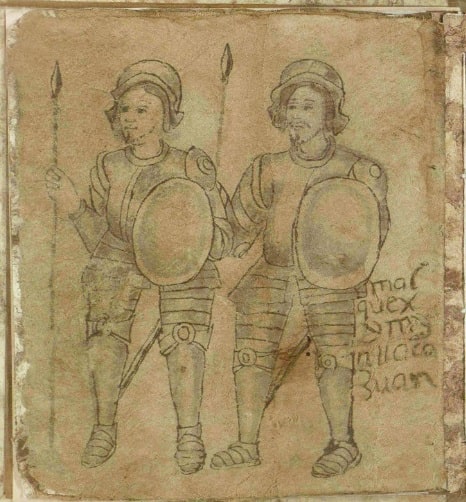
Spanish soldiers advancing across the Americas, despite notorious opposition from the belligerent Aztec people and the military alliances won by Cortés. Archivo de la Nación, Mexico.

Images
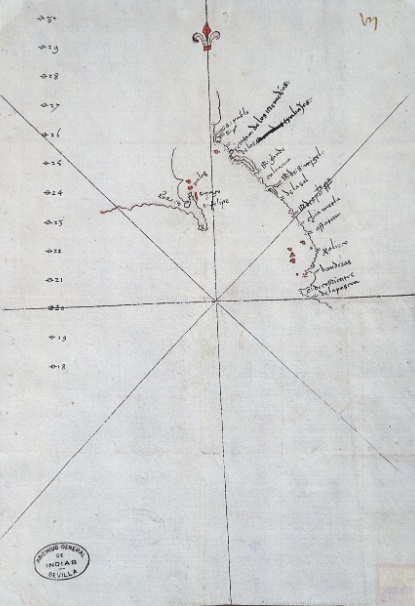
Map of the New Land of Santa Cruz, at the southern tip of California, discovered by Hernán Cortés in 1535.
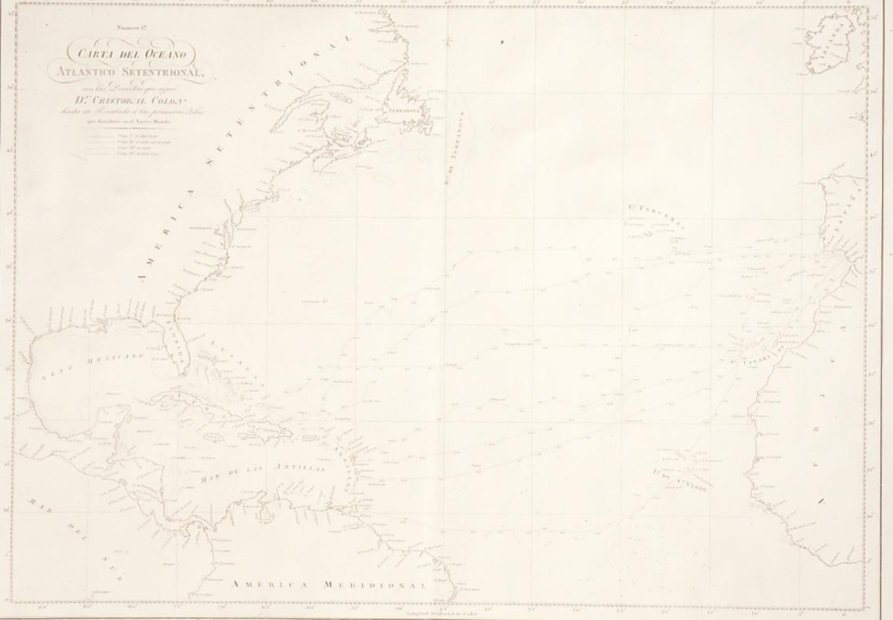
Map of the new lands discovered by Christopher Columbus on his four voyages to the American continent between 1492 and 1502.
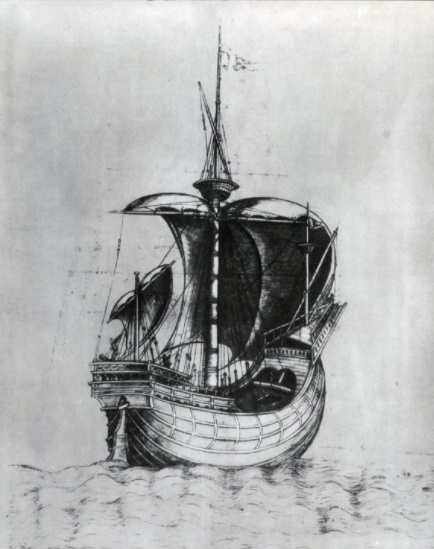
Recreation of one of the caravels with which Columbus travelled to America
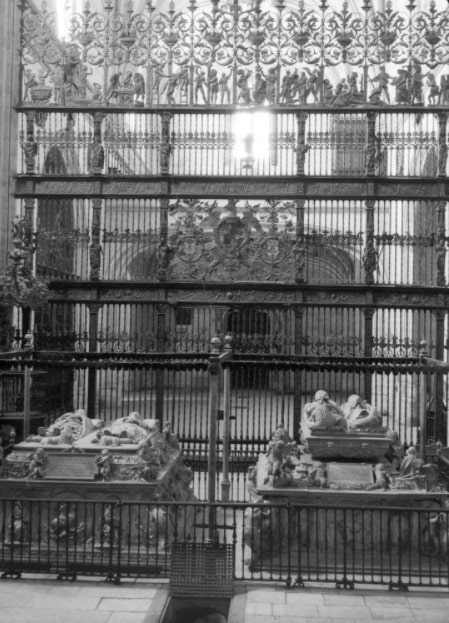
Sepulchre of the Catholic Monarchs in the Royal Chapel of Granada, by the sculptor Domenico Fancelli, where they are buried together with the remains of Juana and Felipe
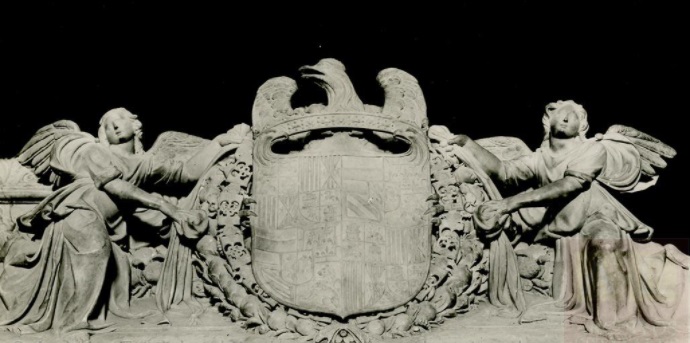
Sepulchre in the Royal Chapel of Granada, by the sculptor Bartolomé Ordóñez, in which Philip I and, later, in the mid-16th century, Joanna I of Castile were buried, together with their parents (the Catholic Monarchs).
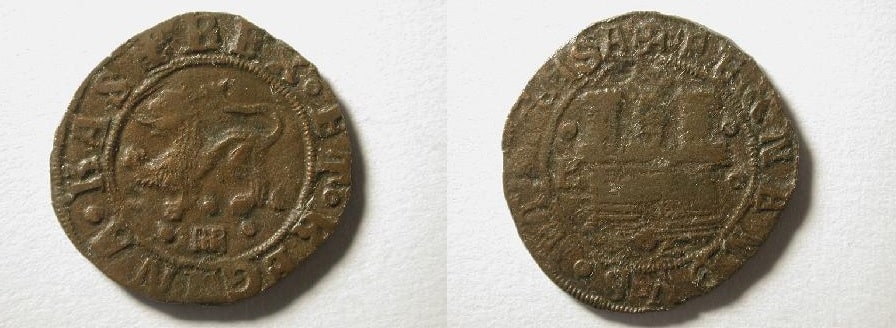
Fleece coin of 2 maravedíes of the Catholic Monarchs. Museum of Segovia.
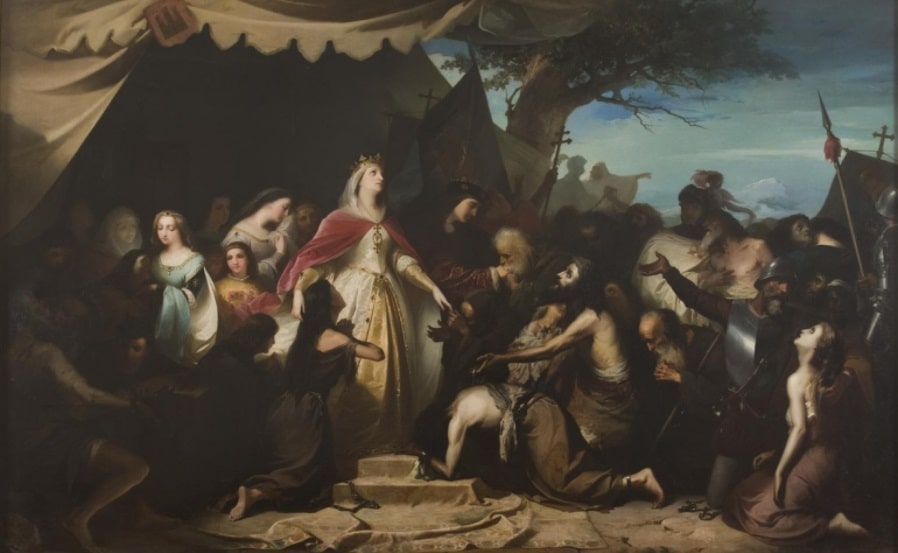
The Catholic Monarchs receive the Christian captives after the capture of Malaga, coinciding with one of the final chapters of the peninsular conquest. Painting by Eduardo Cano de la Peña in 1867. Seville Museum of Fine Arts.
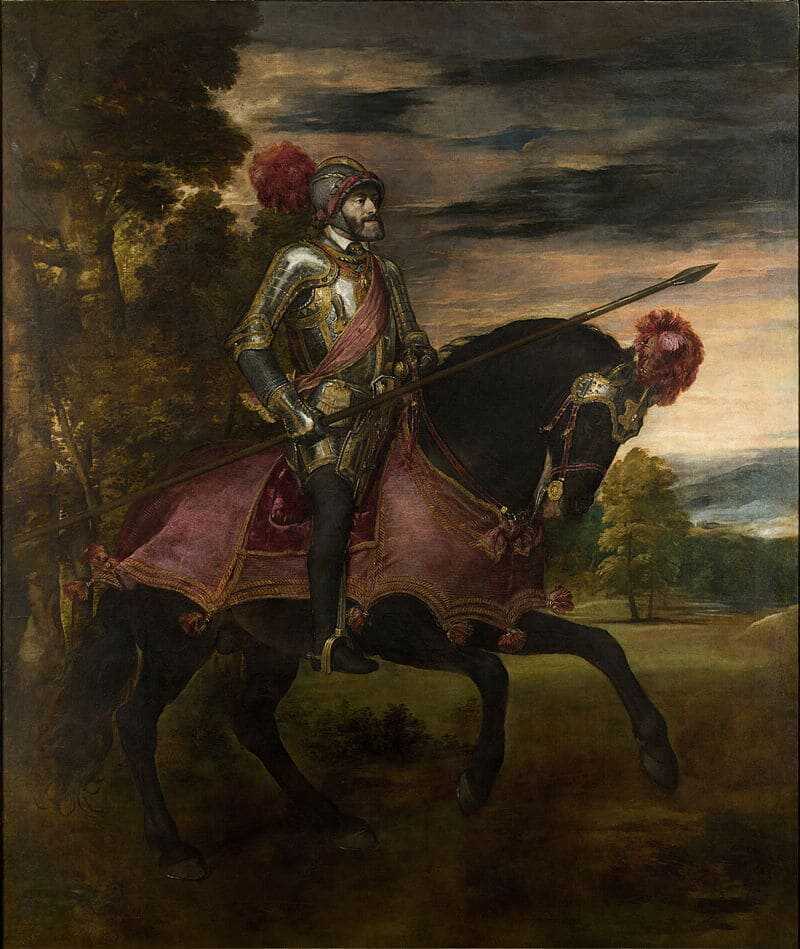
Portrait of Charles V by Titian in 1548. Museo Nacional del Prado.
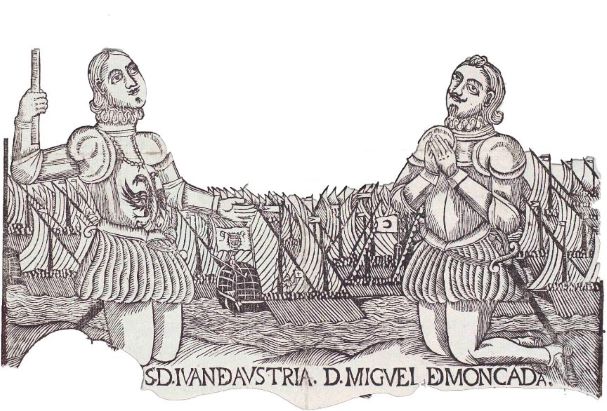
Images and documents on the battle of Lepanto. Of particular interest is the woodcut depicting the Virgin of Mount Carmel with Don Juan of Austria and his lieutenant Miguel de Moncada. The Turkish admiral, Ali Baya, is beheaded in the foreground.
Page 94 of 95