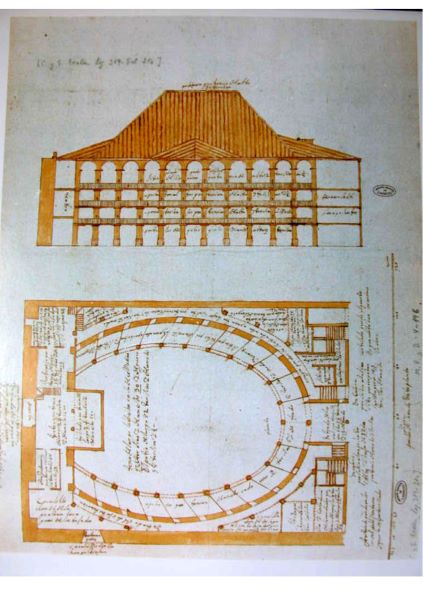
Everyday life. Elevation and floor plan of the corral of La Montería, located in the Real Alcázar of Seville, where comedies were performed.

Uncategorized
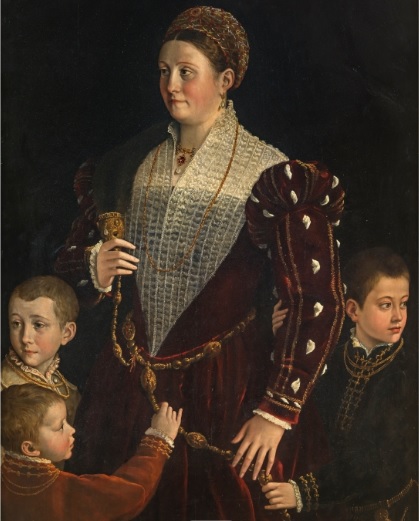
Camila Gonzaga, married to the Count of San Secondo, is portrayed with three of her six children by Parmigianino
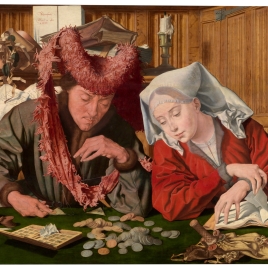
Representation of women’s activities in the world of work and economy through the brush of Marinus van Reymerswale
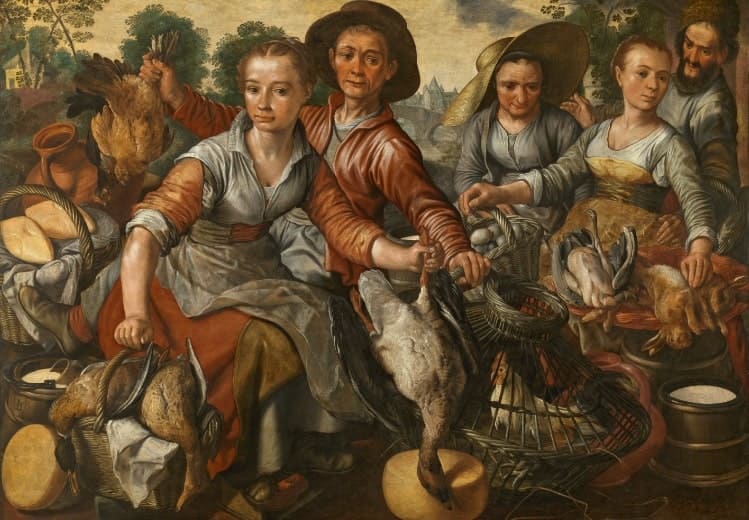
The play depicts one of the female activities in the world of work and economics around market sales in the Modern Age
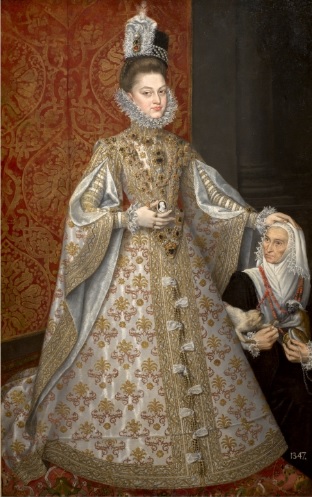
This portrait by Alonso Sánchez Coello shows a dual feminine aspect in the context of the courtly or courtly space: the position of those noblewomen who belonged to royalty, and also of those who accompanied them and formed part of the circles of power, occupying the royal offices of the Chamber or the Household.
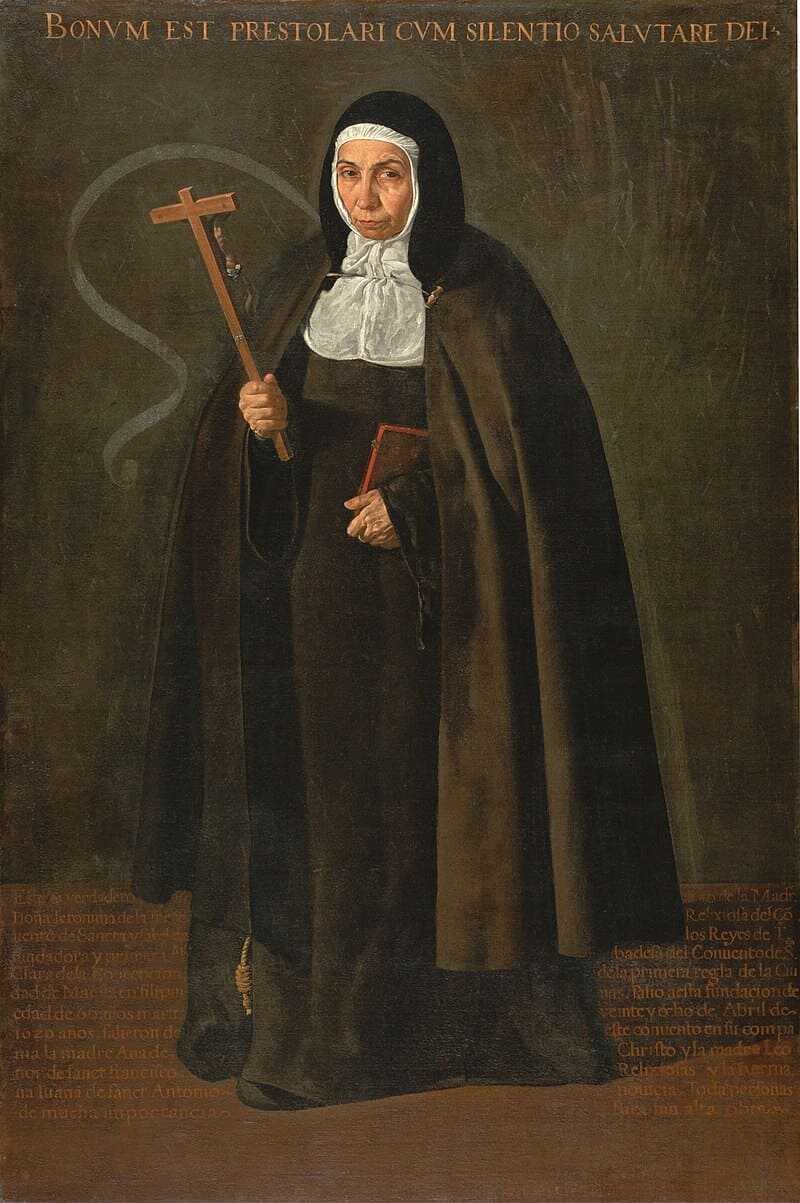
The vocation of Jerónima de la Fuente, a Franciscan nun from the convent of Santa Isabel, led her to embark on missionary work in the Philippines
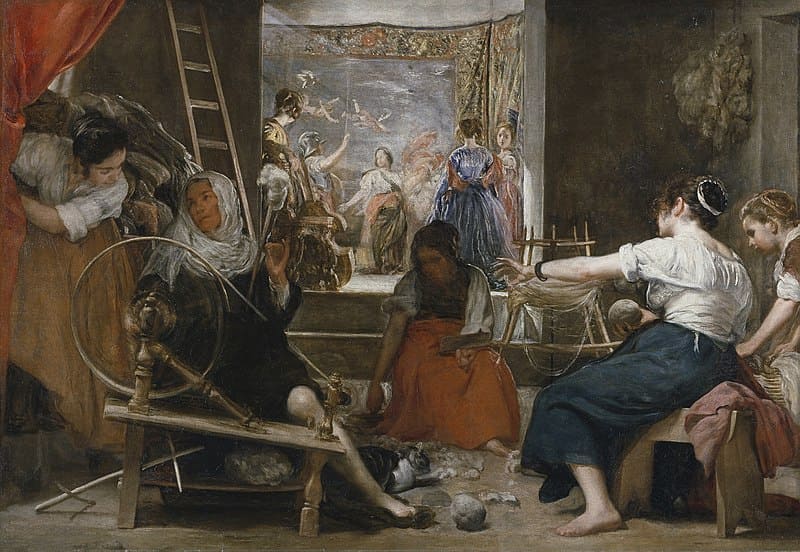
Velázquez’s work shows an interior of women working in textiles, emphasising their profession through the fable of Arachne
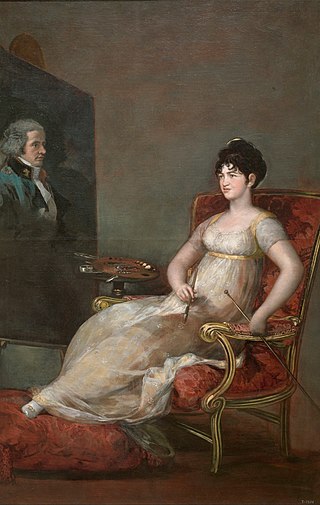
This work by Goya depicts women as artists during the 18th century, thus opening up new perspectives from Women’s History
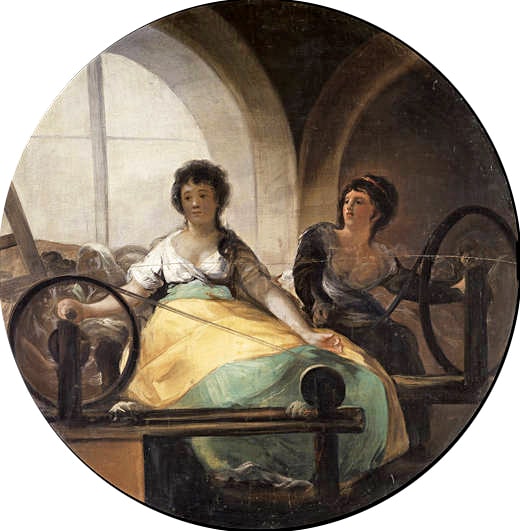
Goya’s work was executed in a different format from the traditional one for the grand staircase of Godoy’s palace
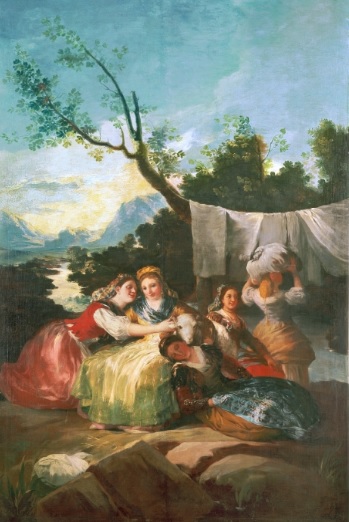
A group of young women, portrayed by Goya, rest after they have laid out some clothes while waiting for them to dry
Page 101 of 163