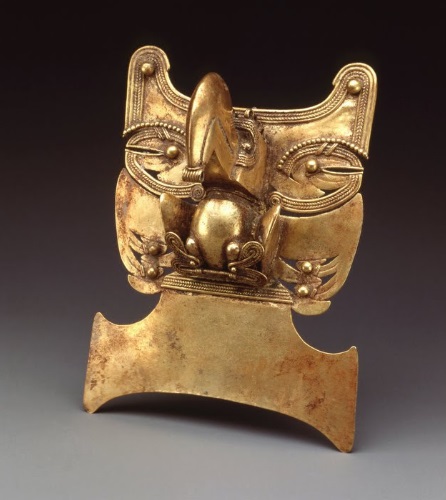
A zoomorphic gold pectoral cast in lost wax and hammered in gold belonging to a pre-Columbian society. Bogota Gold Museum.

Uncategorized
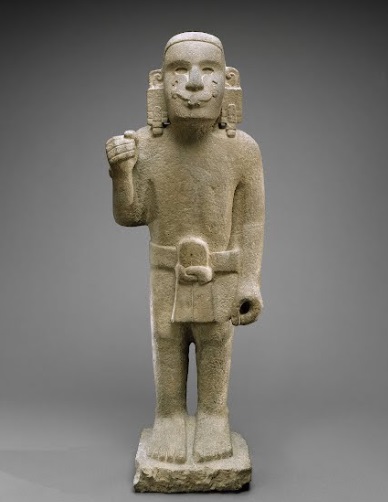
Anonymous Aztec standard-bearer figurine made ca. 1519 in volcanic stone, used during ceremonies. Museum of Fine Arts, Houston.
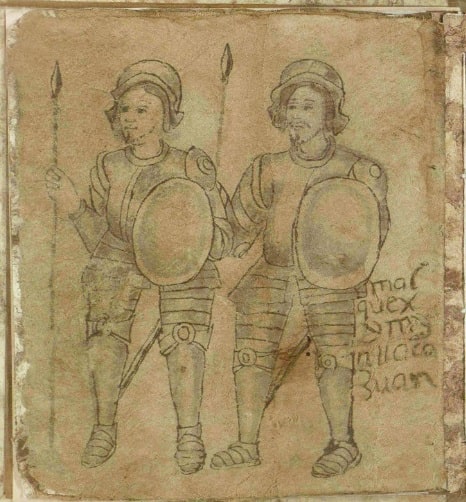
Spanish soldiers advancing across the Americas, despite notorious opposition from the belligerent Aztec people and the military alliances won by Cortés. Archivo de la Nación, Mexico.
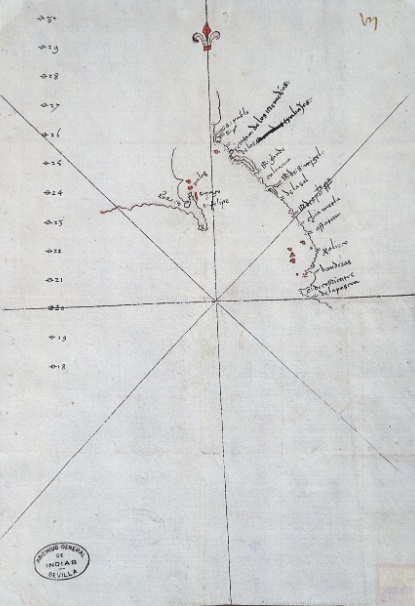
Map of the New Land of Santa Cruz, at the southern tip of California, discovered by Hernán Cortés in 1535.
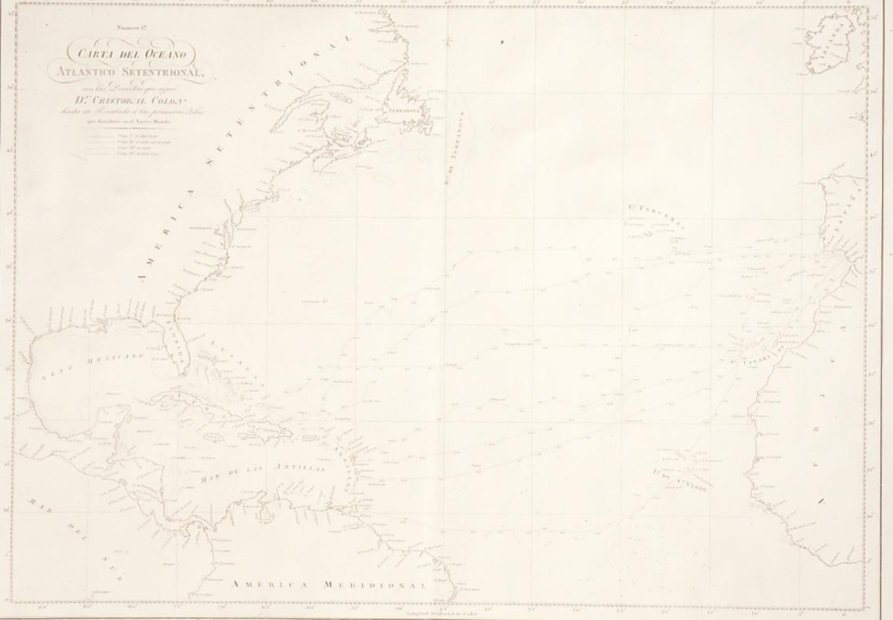
Map of the new lands discovered by Christopher Columbus on his four voyages to the American continent between 1492 and 1502.
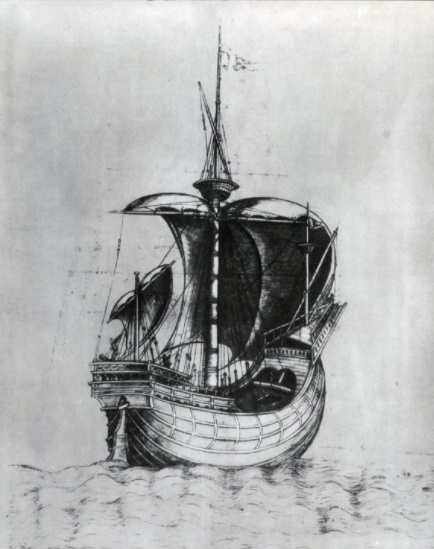
Recreation of one of the caravels with which Columbus travelled to America
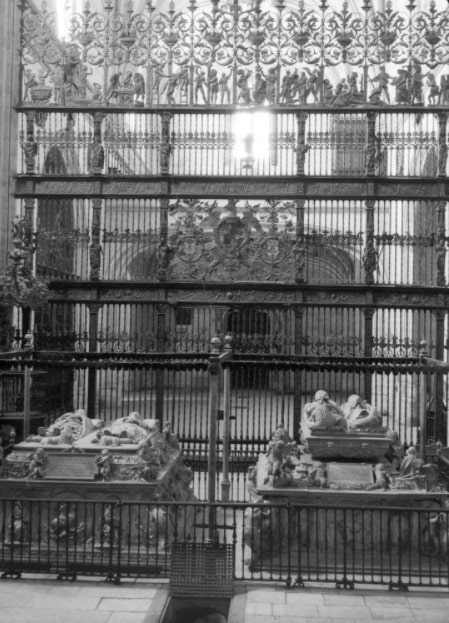
Sepulchre of the Catholic Monarchs in the Royal Chapel of Granada, by the sculptor Domenico Fancelli, where they are buried together with the remains of Juana and Felipe
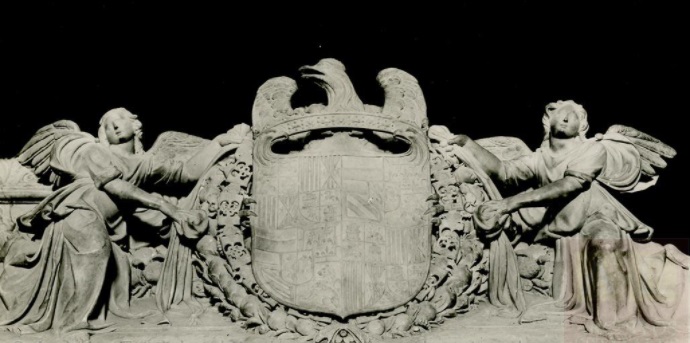
Sepulchre in the Royal Chapel of Granada, by the sculptor Bartolomé Ordóñez, in which Philip I and, later, in the mid-16th century, Joanna I of Castile were buried, together with their parents (the Catholic Monarchs).
Participation of socio-professional groups in Navarre’s institutions in the 18th century
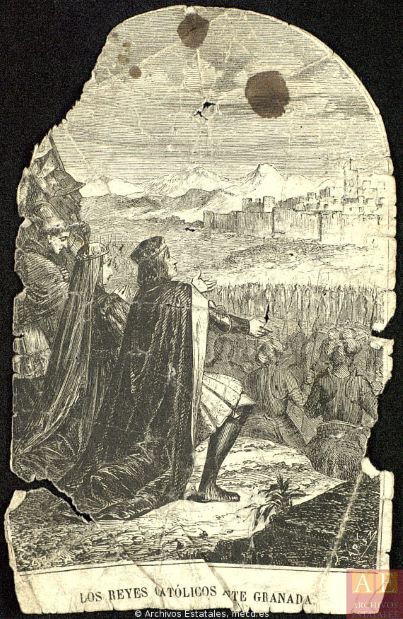
The image shows the Catholic Monarchs, Isabella and Ferdinand, kneeling in front of the city of Granada. To the left of the image and in front of the Catholic Monarchs, the Christian troops can be seen. In front of them, on the right, the city walls can be seen, with the Alhambra in the background, as well as the Muslim troops. It is very likely that the image represents the Muslim surrender and the handing over of the keys of the city by Boabdil to the Catholic Monarchs
Page 108 of 163