Line graph showing the evolution of university enrolment in Salamanca between 1551 and 1596

Uncategorized
Graph showing the percentage of inbred marriages in Potes and Liébana between 1600 and 1850
Graph showing the price of bread in Trujillo (Cáceres) during the second half of the 16th century and the beginning of the 17th century
Graph showing the annual unjustified fines at the University of Salamanca between 1700 and 1750, differentiating between property chairs and regency chairs
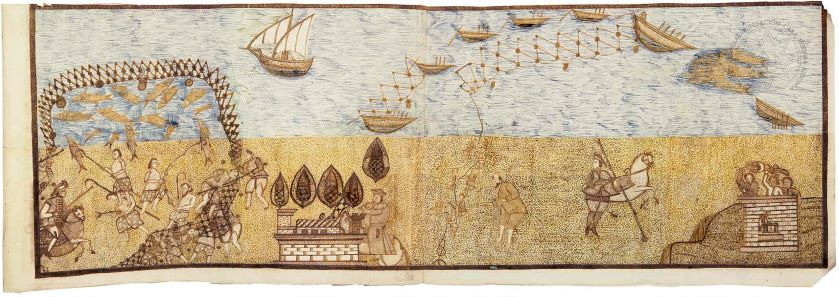
The image shows a view of the almadraba of Zahara de los Atunes (Cádiz) from land. In the past, tuna traps were an important part of the fishery and offered high economic returns to whoever was in charge of their exploitation. The catches could be kept salted and marketed far from their place of origin.
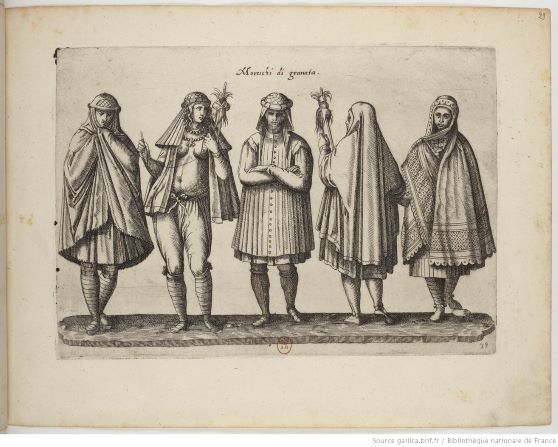
Moorish clothing around the 16th century
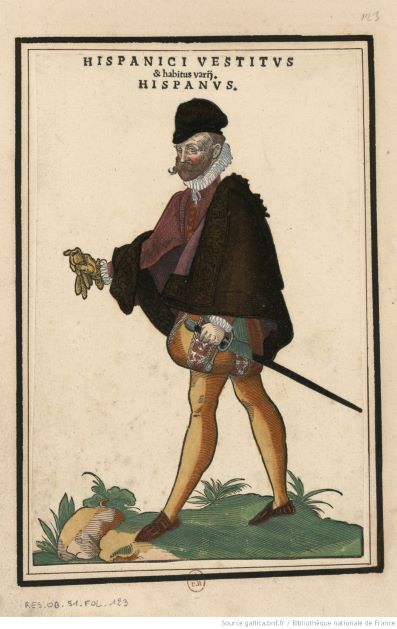
Set of engravings of 16th-century Spanish costumes by M. de Gaignières. It belongs to the Compilation of foreign costumes made by M. de Gaignières, imitating the costumes of France (Spain, 1572).
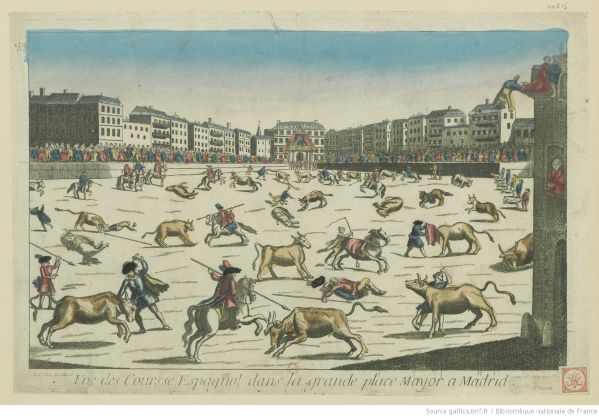
This resource shows a bullfight in the Plaza Mayor in Madrid, a popular festival that served to celebrate a variety of political, social, military and religious events during the Modern Age. It belongs to the Collection: Selected Optical Views of the 18th and 19th Centuries. Volume 5, Views of Great Britain and Spain
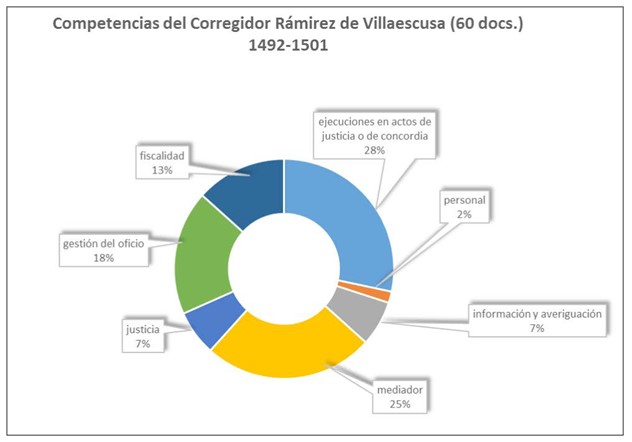
Resource that classifies the scope of action of a corregidor of Valladolid, highlighting his work as a justice, mediator and manager
Pie chart showing the origin of the commercial vessels that arrived for the Cernesio family in 1615
Page 110 of 163