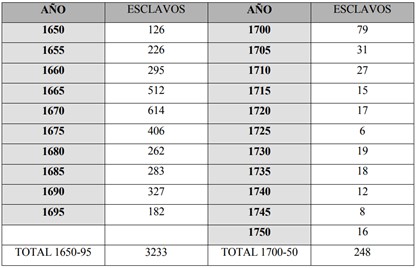
Slave trade in Cadiz according to documentation. Progressive disappearance of this phenomenon.

3. Rural world and urban world in the formation of the European identity.
Economic and commercial growth led to the emergence of a thriving merchant class in Castile. Articulation of trade around the cities.
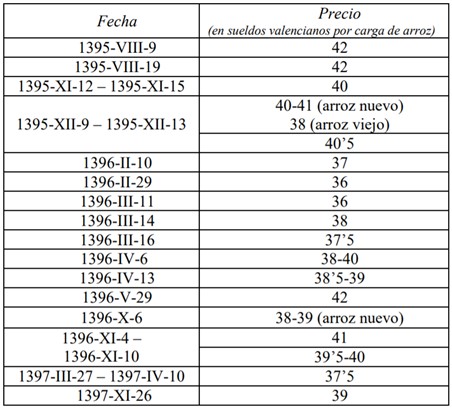
Price fluctuations in the price of Valencian rice explained by climatic, economic and commercial factors.
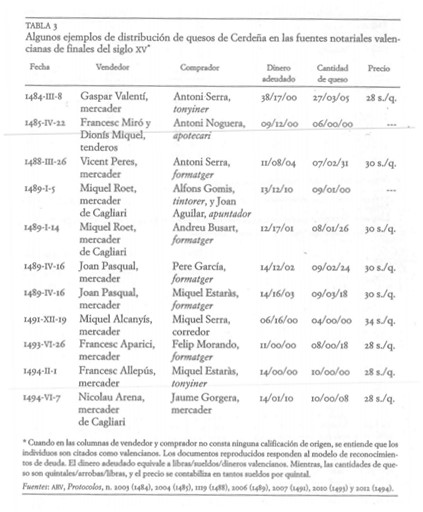
International trade and imports of Sardinian cheese as a reflection of the trade networks of the Kingdom of Valencia
Land ownership in some municipalities in Spain at the end of the Ancien Régime, highlighting the concentration of land in a few hands
Disentailed assets in Castilla-La Mancha in context with the national average
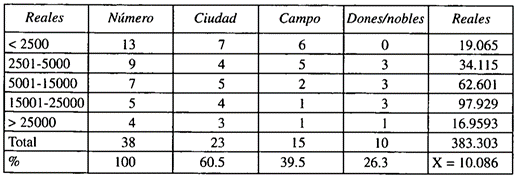
Transmission of patrimony in the form of matrimonial dowry in the Sierra de Alcaraz as a form of social reproduction
Household structure linked to the domestic aggregates according to the professions carried out by the heads of household. Process of inversion in the structures throughout the 18th century.

Historical strategy game in which the player, through the convergence of cultures and his decisions, will be in charge of creating the human story of his civilisation

City-building and survival game based on volatile social dynamics
Page 56 of 58